
 07565 772430
Autism-Friendly Removals in Bristol
Home Removals with Autism — How We Adapt
Moving house is one of life's most stressful events. For autistic people and their families, it can be significantly harder. We adapt our service to make moving day calmer, more predictable, and genuinely manageable.
Identity-first language ("autistic people") is used throughout, as preferred by the majority of the UK autistic community. We respect both forms.


Google reviews




Based in Bristol
Why Moving Is Especially Challenging
Moving day involves a concentration of changes that most neurotypical people find stressful but manageable. For autistic people, these same changes can be profoundly disorienting. Understanding why is the first step to making it better.
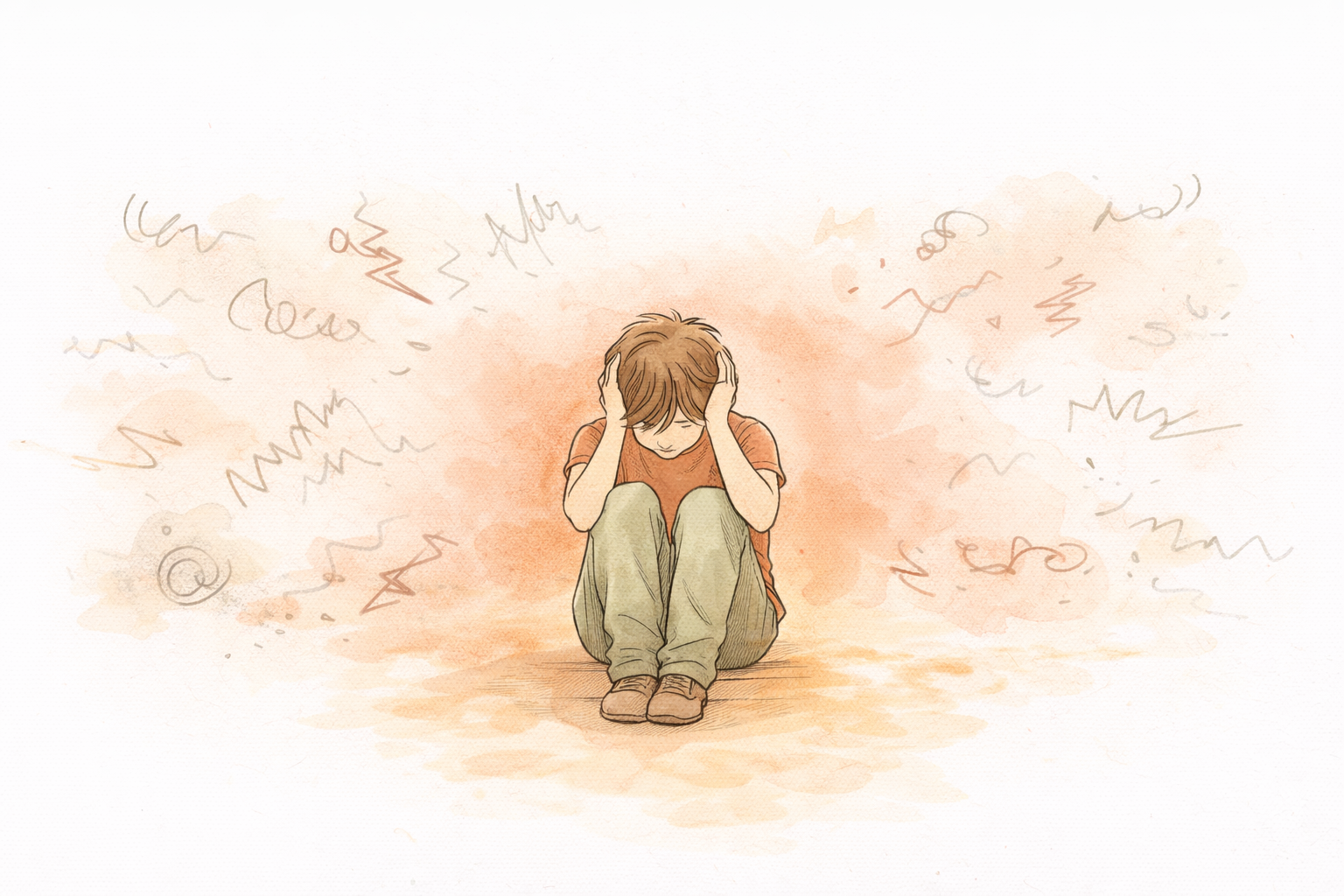
Sensory Overload
Moving day involves loud noises, unfamiliar people in personal spaces, strong smells from packing materials, and the physical disruption of familiar surroundings. For someone who processes sensory input differently, this can be genuinely overwhelming — not just uncomfortable, but distressing.

Disruption to Routine
Routine provides structure, safety, and predictability. On moving day, everything changes at once — mealtimes shift, the usual sequence of the day is broken, and familiar patterns are suddenly gone. For many autistic people, this loss of routine can cause significant anxiety, even if the move itself is wanted.
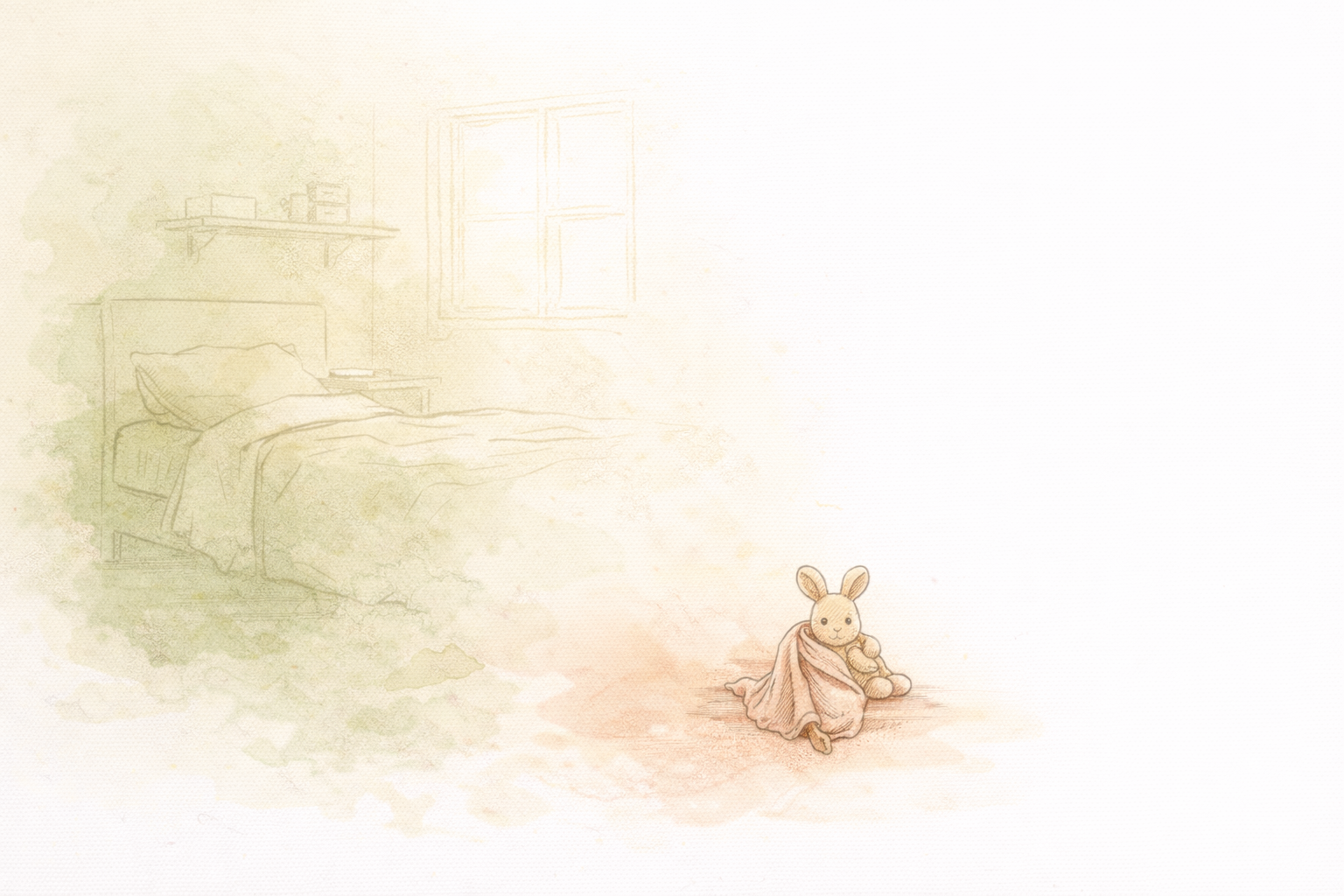
Loss of Safe Space
For many autistic people, their bedroom or a particular room in the house serves as a sanctuary — a place to decompress and regulate. During a move, that space is packed up and eventually ceases to exist. The new home does not yet feel safe. There can be a period where there is simply no retreat available, and that is frightening.
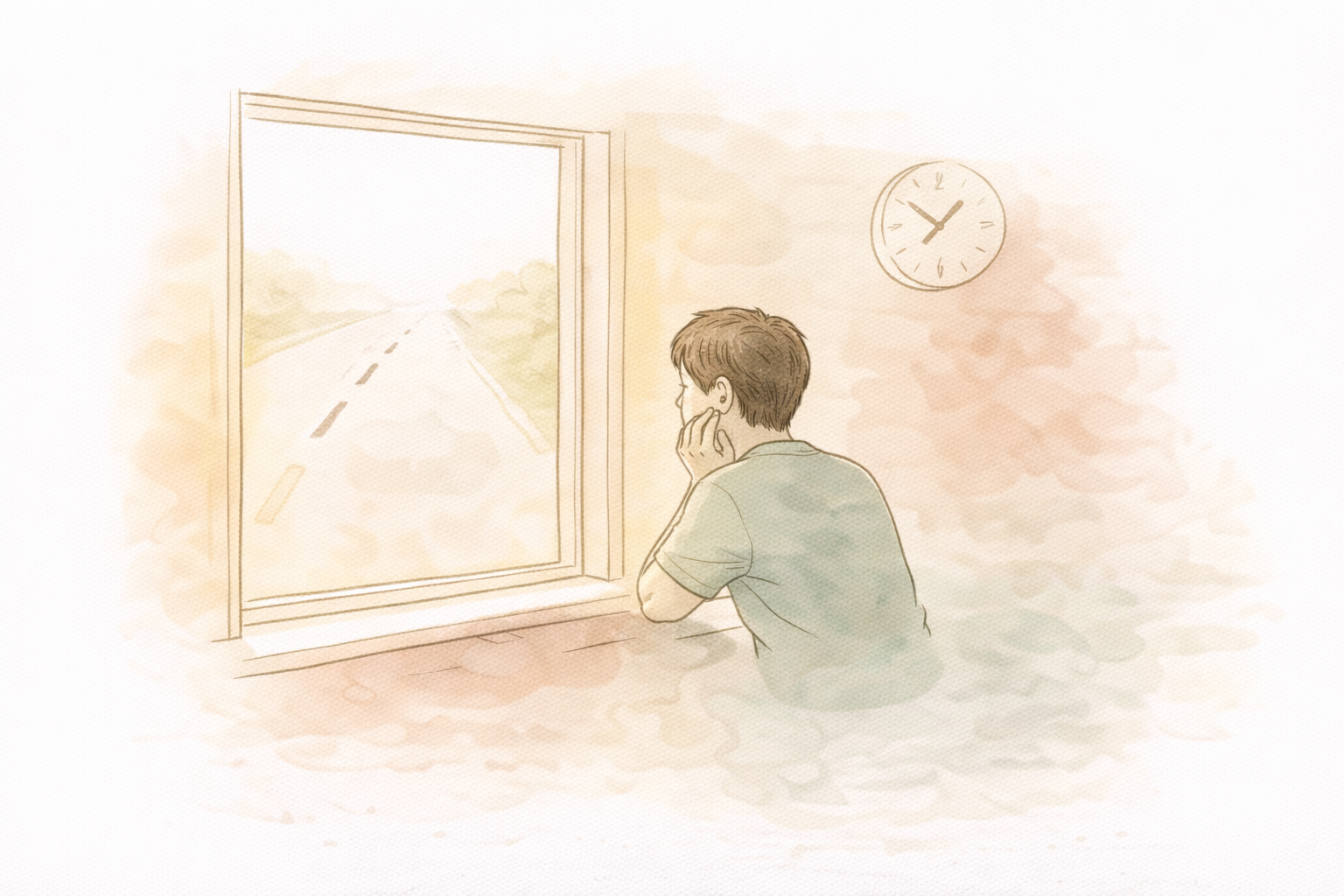
Uncertainty and Unpredictability
When will the crew arrive? How long will it take? What happens next? What if something goes wrong? These unanswered questions can be a major source of stress. Not knowing the timeline — or having the timeline change without warning — makes it very difficult to feel safe or in control.
Communication Differences
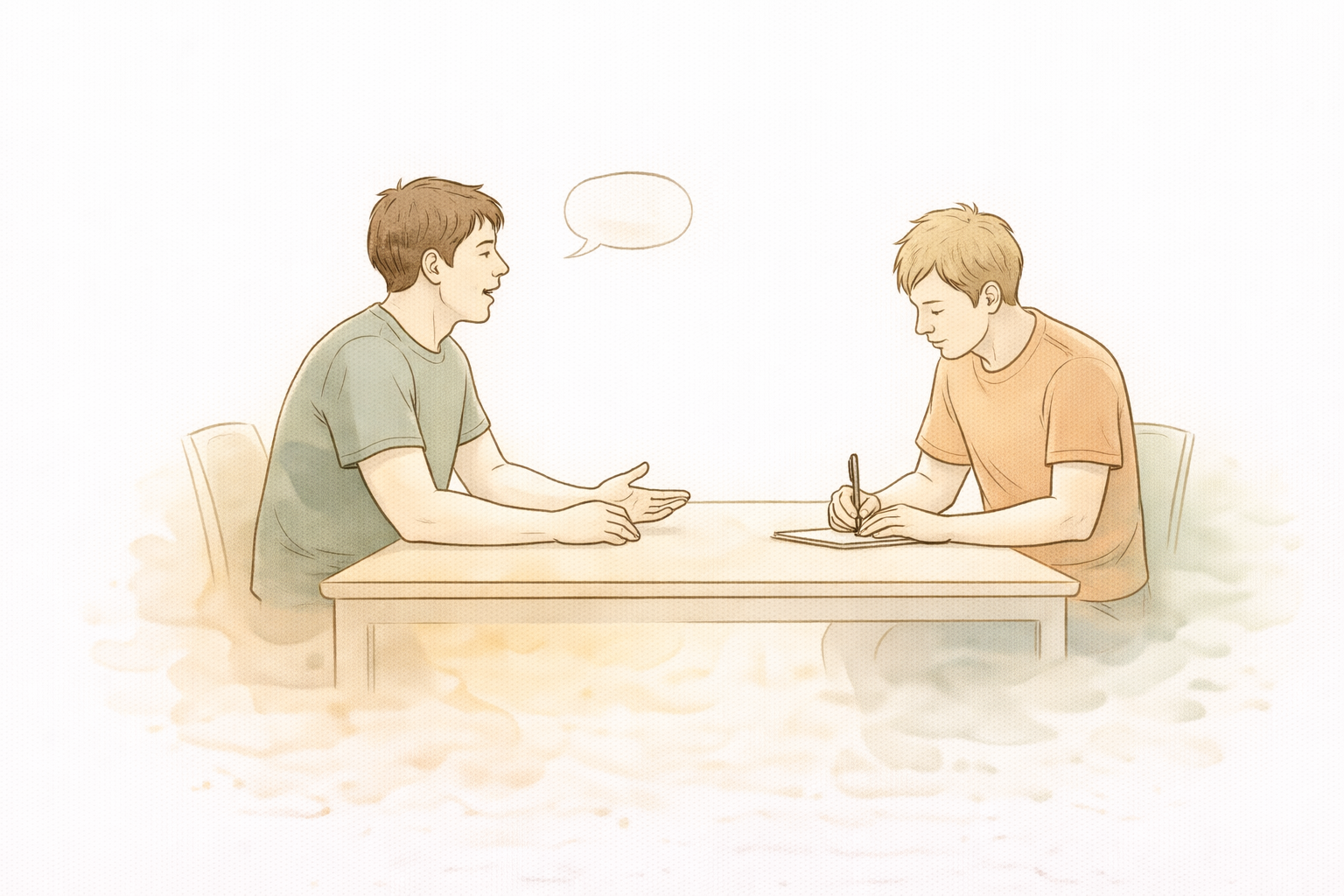
A removal crew who are not aware of someone's communication preferences may inadvertently cause stress — by making too much direct eye contact, asking questions that feel pressured, speaking too quickly, or not understanding that someone needs more processing time. None of this is intentional, but it can make an already difficult day much harder.
Every Person Is Different
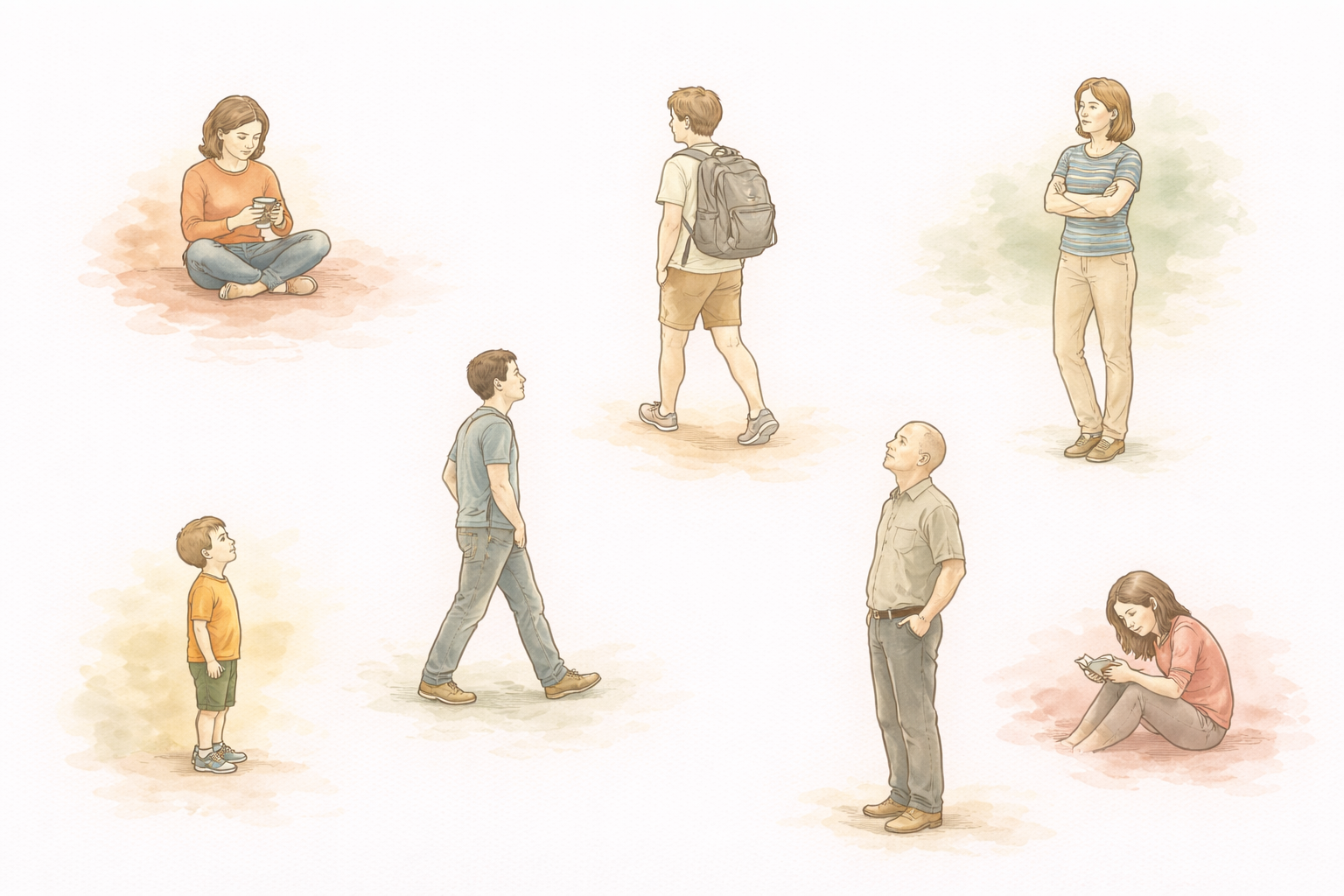
Autism is a spectrum, and no two people experience it in the same way. Some of these challenges will be highly relevant to your situation; others may not apply at all. What matters is that we listen to what you need and adapt accordingly — not apply a one-size-fits-all approach.
How We Adapt Our Service
These are not token gestures. They are practical, specific changes to how we plan and carry out your move. Every adaptation described here is something we actually do — because we have learned that they make a real difference.
Pre-Visit Timeline
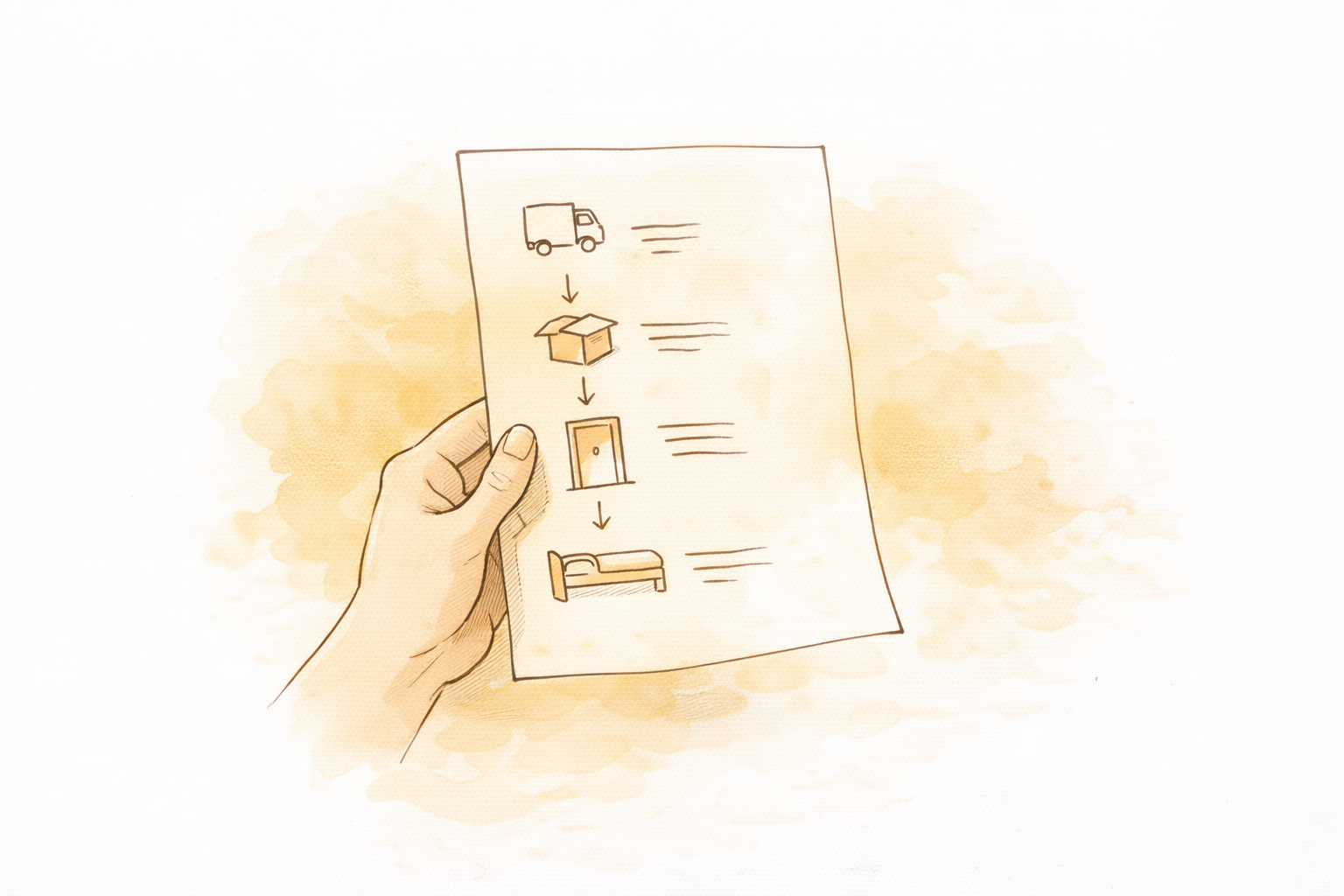
Before the move, we provide a clear written timeline of exactly what will happen and when — from the moment the crew arrives to the point we leave the new property. If a visual timeline or social story format would be more helpful, we can provide that instead. You know the schedule before we arrive, and we stick to it.
Quiet Space Preserved
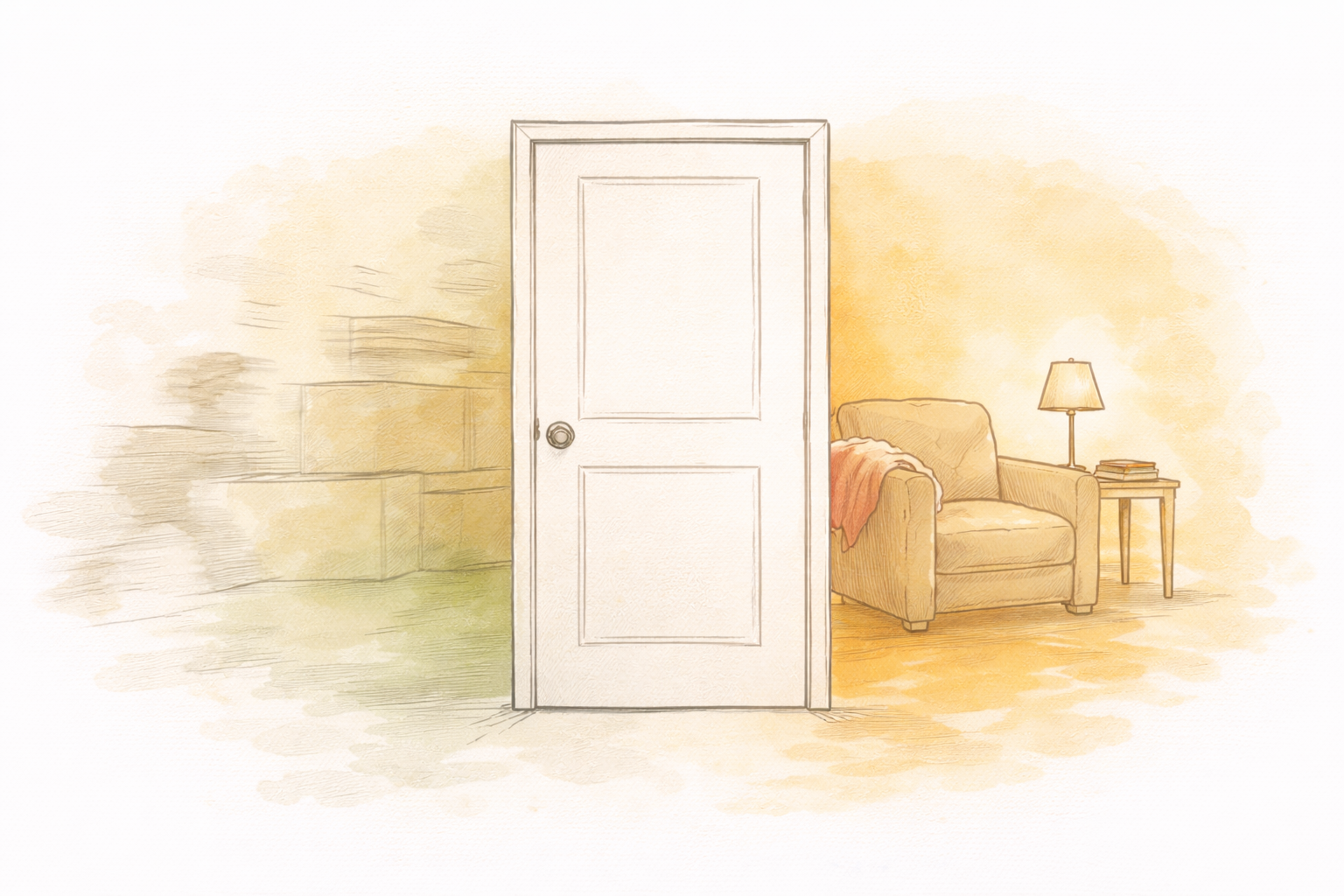
We always leave one room until last so there is a calm, familiar retreat available throughout the move. This room stays intact — door closed, belongings untouched — until the person is ready for it to be packed. At the new property, we prioritise setting up that same room first.
Consistent Crew
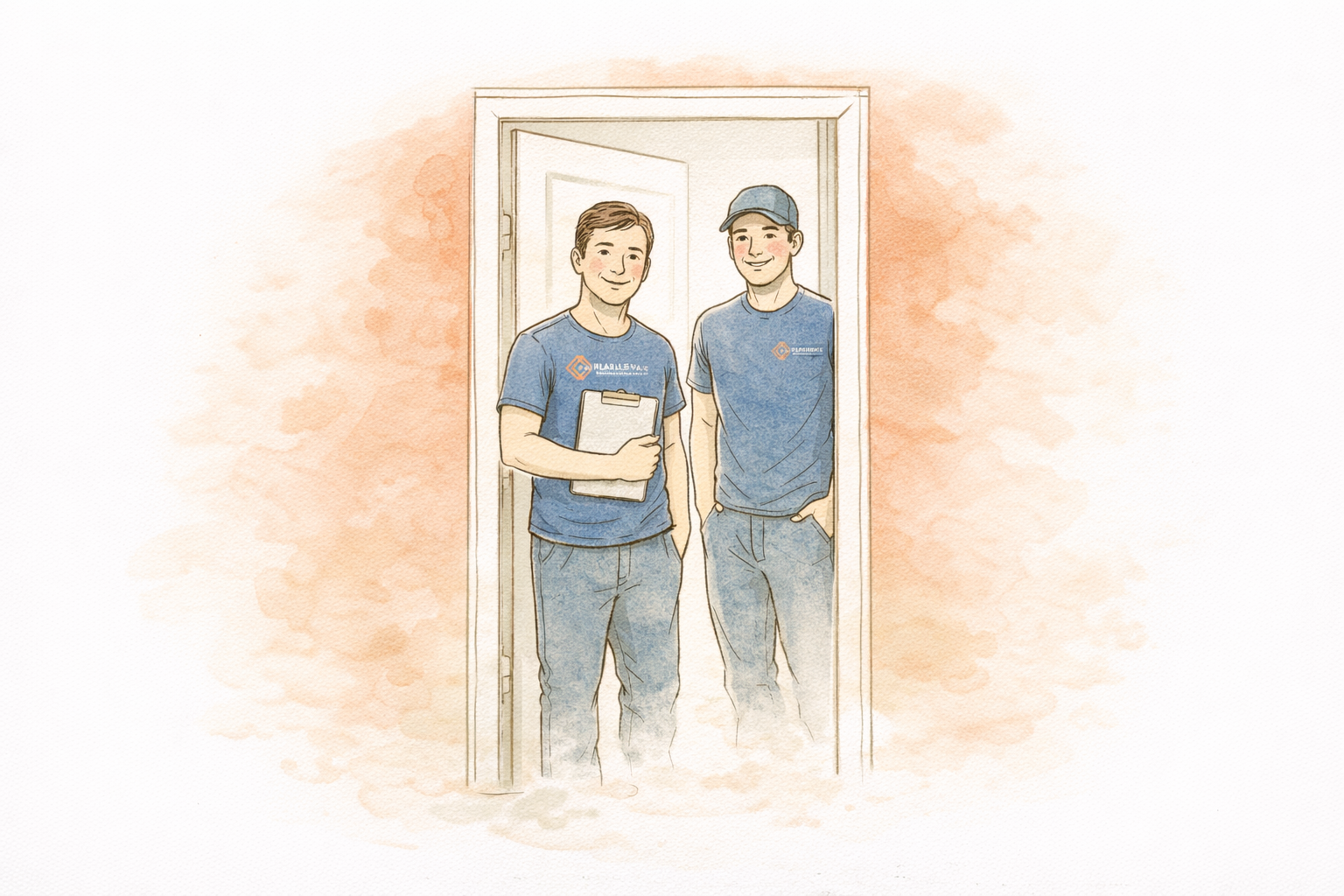
The same team handles your move from the initial survey through to moving day. No unfamiliar faces on the morning of the move, no last-minute crew changes. If you met Tom and Dave at the survey, Tom and Dave are the ones knocking on your door on moving day.

Communication Preferences
We ask in advance how the autistic person prefers to communicate. Some people prefer direct speech; others prefer written instructions, visual cues, or communicating through a parent, carer, or partner. We follow whatever works best — and we brief the entire crew so everyone is on the same page.
Sensory Awareness
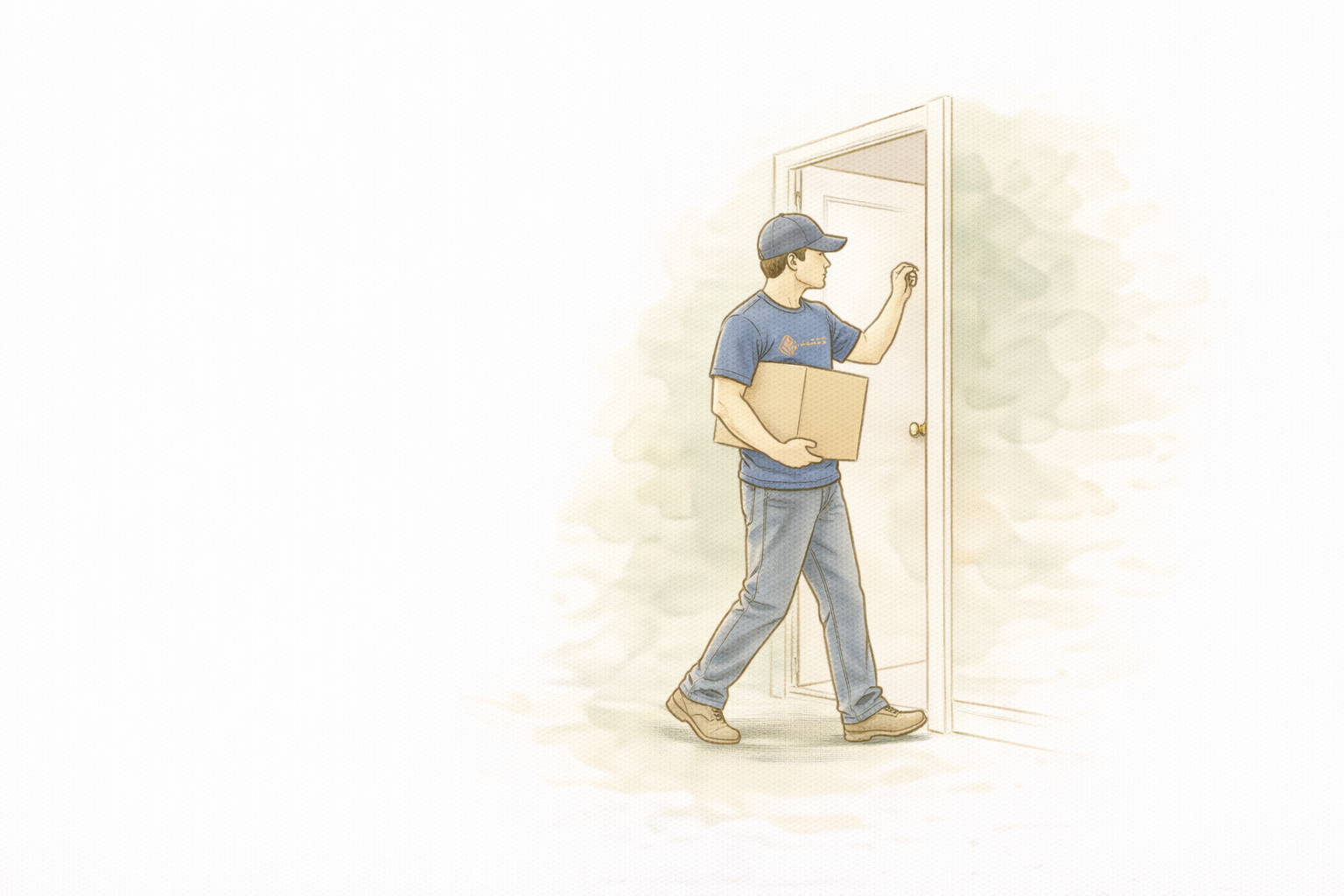
Our crew are briefed on keeping noise to a minimum, not using strong-scented cleaning products or air fresheners, knocking before entering rooms, and avoiding sudden loud sounds where possible. We cannot make moving day silent — but we can make it significantly calmer than it would otherwise be.

Predictable Timing
We give accurate arrival times and proactively update you if anything changes. If we said 8:30am, we mean 8:30am. If traffic means we will be ten minutes late, we call ahead so there are no surprises. Knowing what is happening and when makes a real difference.

A Note from Jay
Jay Newton, Director
“We have moved families where an autistic family member was the most anxious person in the house, and families where they were the calmest — because they had been properly prepared and knew exactly what to expect. The difference is nearly always in the preparation, not the person. That is why we take the time to plan these moves properly. A clear timeline, a consistent crew, and genuine flexibility on the day cost us nothing extra — but they can transform the experience for your family.”
Painless Removals has been serving Bristol since 1978. Jay oversees every move personally — including those where a family member is autistic. No extra paperwork, no special process. Just a conversation about what you need.
Learn more about our teamPreparation Strategies for Families
The weeks before the move matter as much as moving day itself. These practical strategies can significantly reduce anxiety and help the autistic person in your family feel more prepared and in control.
Create a Social Story
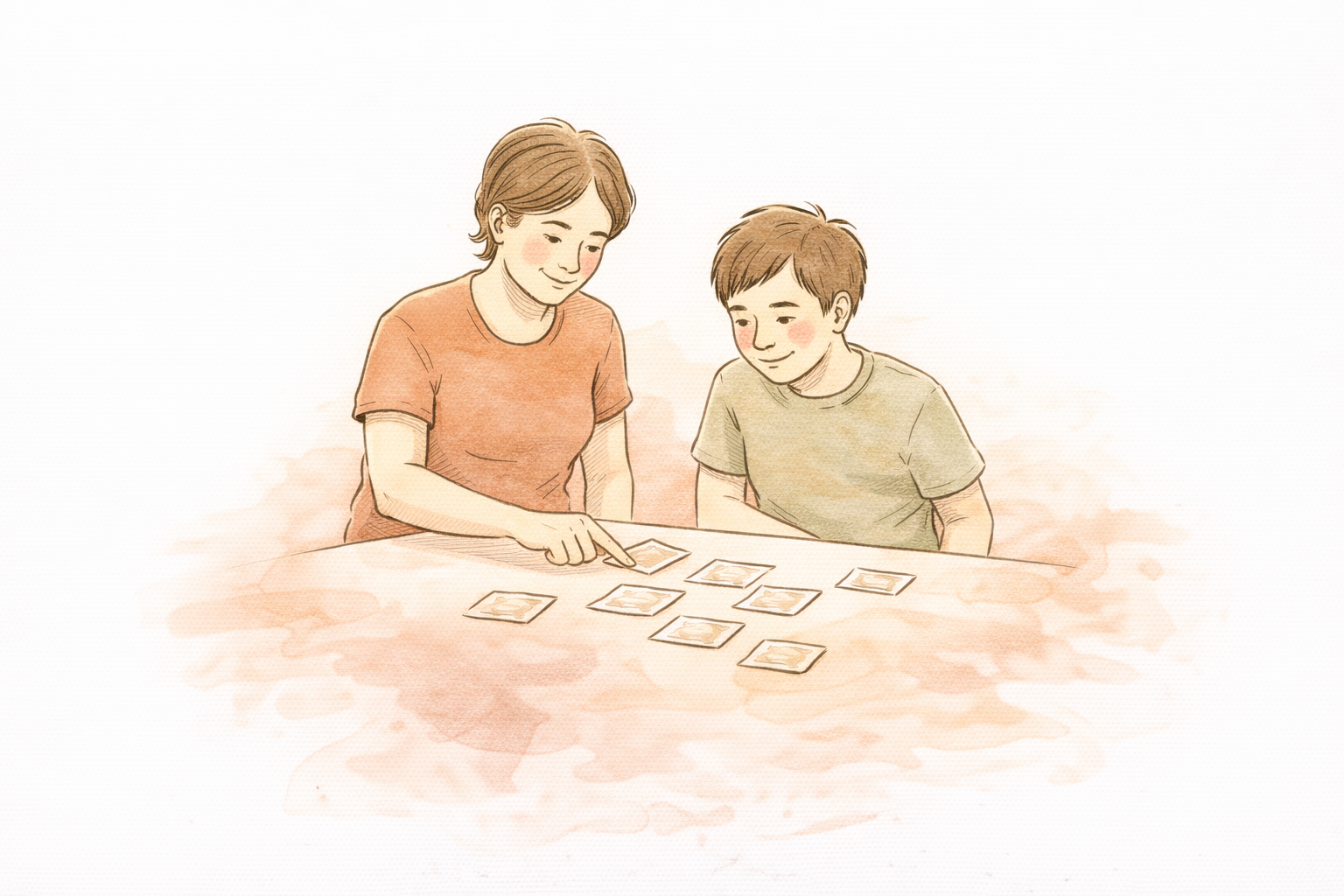
Put together a simple visual story about the move — photographs of the new house, a picture of the removal van, photos of the crew if we can provide them in advance. Walk through the story together in the days before the move so the sequence of events feels familiar before it happens.
Prepare a Comfort Box
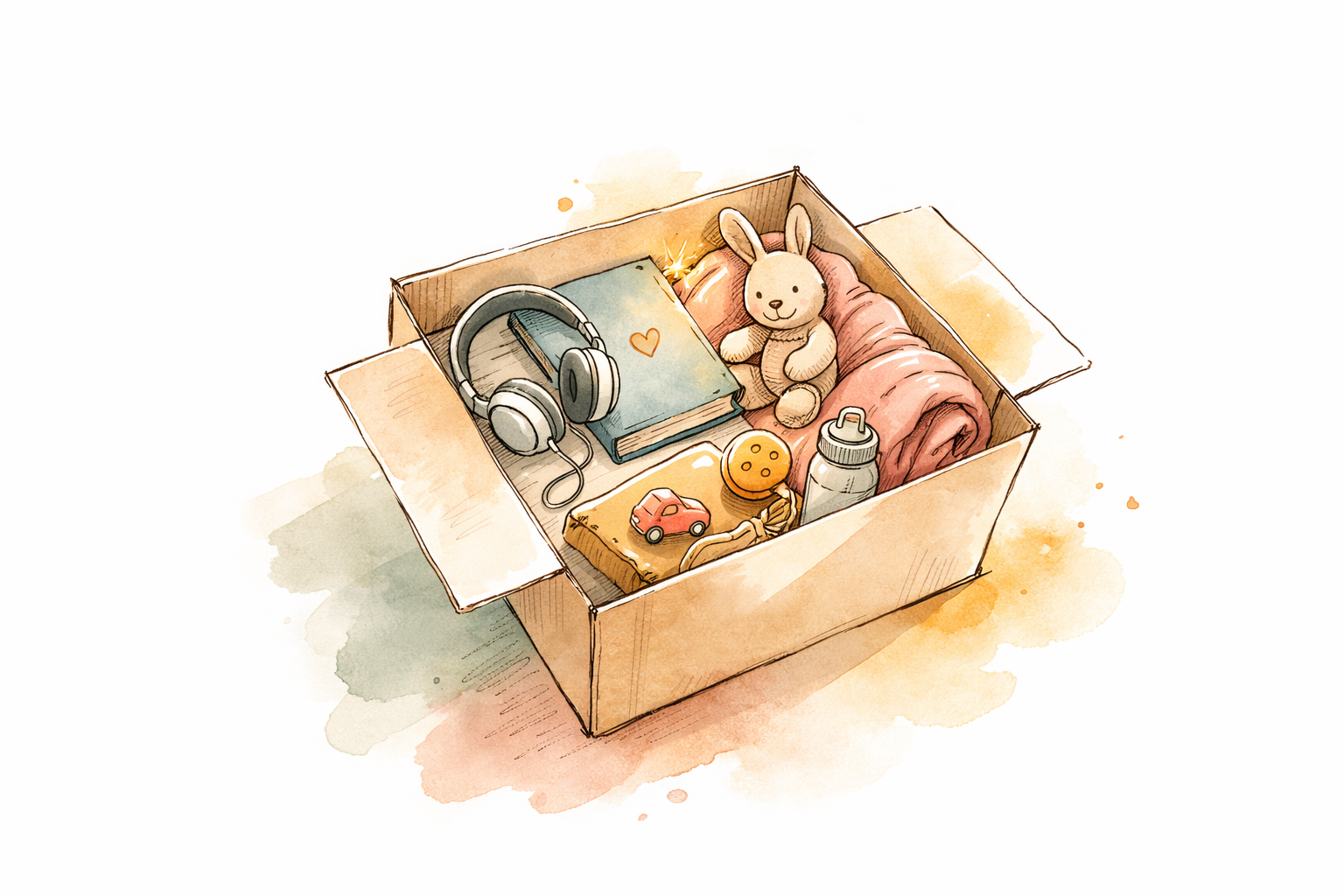
Pack the person's favourite items, comfort objects, and essential sensory tools last — and unpack them first at the new home. This box travels with the family, not on the van. Knowing that their most important things are always within reach provides a genuine anchor during the upheaval.

Photograph the Old Room
Take detailed photos of the current bedroom layout — where the bed sits in relation to the window, the position of shelves, even where specific items go on the desk. Use these photos to recreate the layout as closely as possible in the new home. Familiarity in arrangement can make a new space feel safe much faster.
Visit the New Home Beforehand
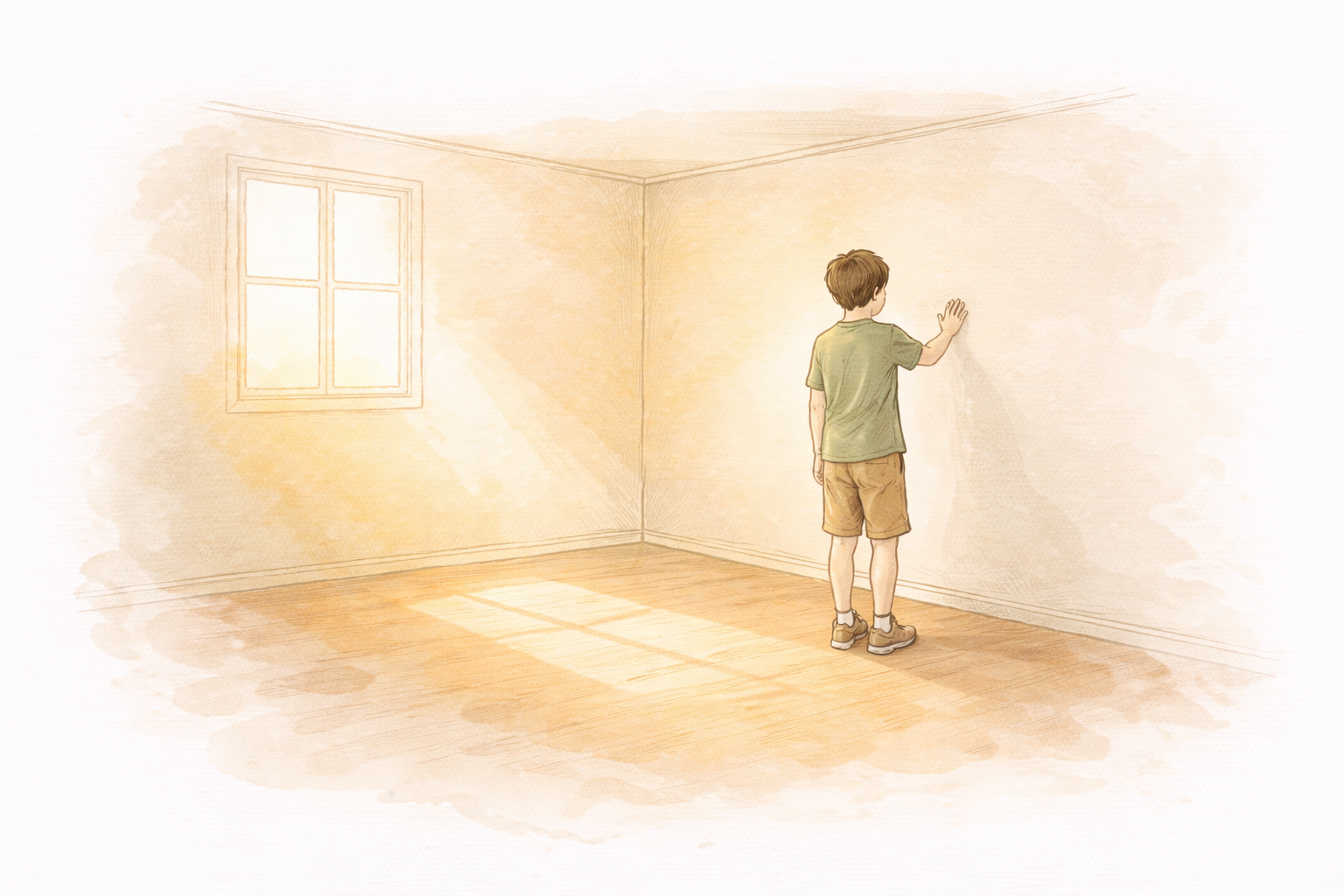
If at all possible, visit the new property before moving day. Walk through each room. Let the person spend time in what will be their bedroom. Take photos they can look at later. The more familiar the new home feels before the move, the less threatening it will be on the day.

Pack Gradually
Start packing non-essential items weeks before the move. Gradual, incremental change is far easier to process than everything changing at once. If boxes appearing causes distress, consider packing when the person is out of the house, or labelling boxes clearly so the contents are not a mystery.
Keep One Familiar Object Accessible
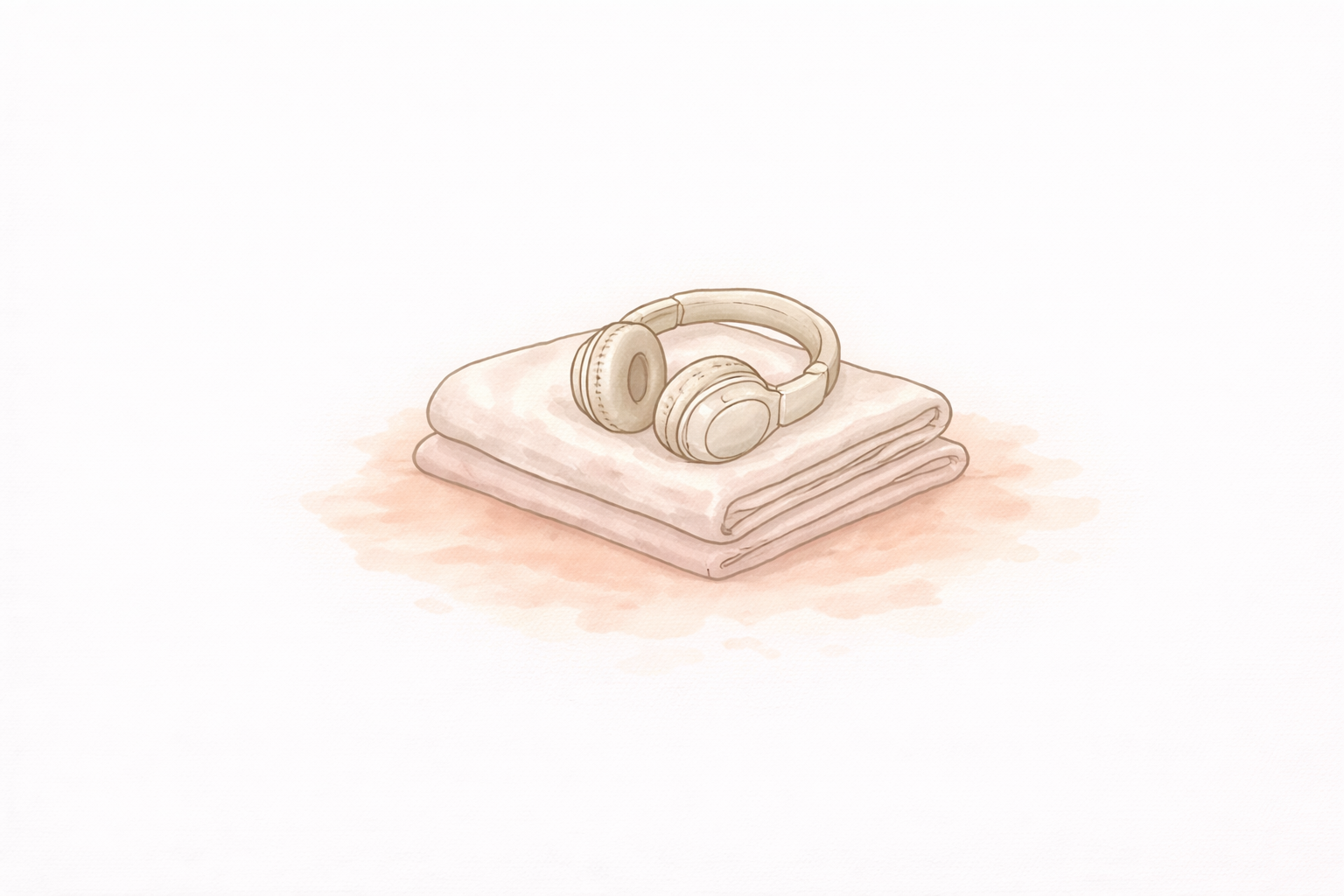
Throughout the entire day, make sure the person has access to at least one familiar, comforting object — a weighted blanket, a favourite book, headphones, a particular toy. It sounds small, but having something constant in a day of change can make the difference between coping and crisis.
On Moving Day — What to Expect from Us
Every adaptation we have discussed is put into practice on the day. Here is what you can count on.
We pause if needed — the schedule is never more important than the person.
We Arrive on Time
The time we give you is the time we arrive. If anything changes, we call ahead — never a surprise knock on the door.
The Quiet Room Stays
One room remains untouched until the very end. The person always has somewhere to retreat to if they need space.
We Follow the Plan
The written timeline we provided before the move is the plan we follow on the day. Rooms are packed in the agreed order.
We Keep Noise Down
No radio, no shouting between rooms, no unnecessary banging. Our crew work efficiently but calmly.
We Respect Boundaries
We knock before entering rooms. We follow agreed communication preferences. We do not initiate conversation unless invited to.
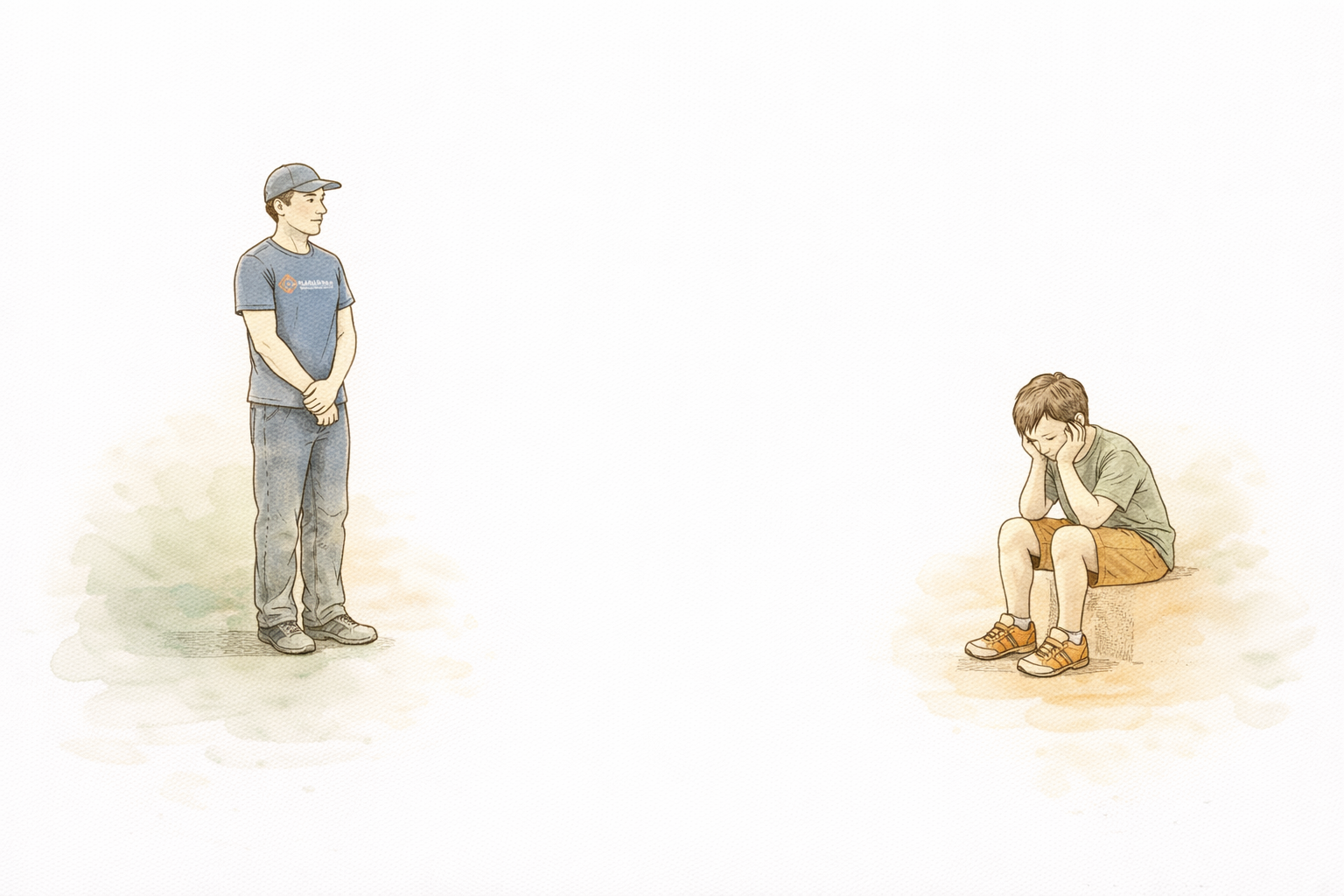
We Pause if Needed
If someone is struggling, we stop. We give space. We wait for guidance from the family. The schedule is never more important than the person.
Helpful Resources
We are a removal company, not autism specialists. For expert guidance on supporting autistic people through major life changes, these organisations offer far more depth than we can.
National Autistic Society
The UK's leading charity for autistic people. Their website includes extensive guidance on managing change, preparing for transitions, and supporting autistic children and adults through stressful life events including moving house.
Visit autism.org.ukIf you are aware of other organisations that provide useful resources for autistic people who are moving home, we would welcome suggestions — please get in touch.
You May Also Find These Helpful
Home Removals in Bristol
Our core home removal service, covering everything from a single-bedroom flat to a five-bedroom family home. Full packing, loading, transport, and unpacking.
VIEW HOME REMOVALSProfessional Packing Service
We pack the entire house the day before your move. One less thing to worry about — and it means far less disruption on moving day itself.
LEARN ABOUT PACKINGFree Packing Guide
If you prefer to pack yourself, our free eight-lesson video course covers every room in the house. Work at your own pace, with printable checklists.
START THE GUIDECommon Questions About Moving with Autism
Can we talk to the crew before moving day?
What if the person needs the crew to leave a room immediately?
Can you provide a written timeline of the move?
Do you charge extra for these adaptations?
What if the person becomes very distressed on moving day?
Can we request that the crew avoid specific things?
Let's Talk About Your Move
Every family is different, and we would rather listen than assume. Call us or get in touch online, and tell us what you need. We will adapt our service to make moving day work for everyone in your household — not just most of them.
0117 287 0082