
 07565 772430
The Cotswolds AONB stretches across 800 square miles, from Chipping Campden in the north to Bath in the south. The area we serve most frequently — Tetbury, Nailsworth, Horsley, Dursley, and the villages in between — sits in the Gloucestershire section closest to Bristol, reachable via the M4 and the A-roads threading through the Stroud valleys.
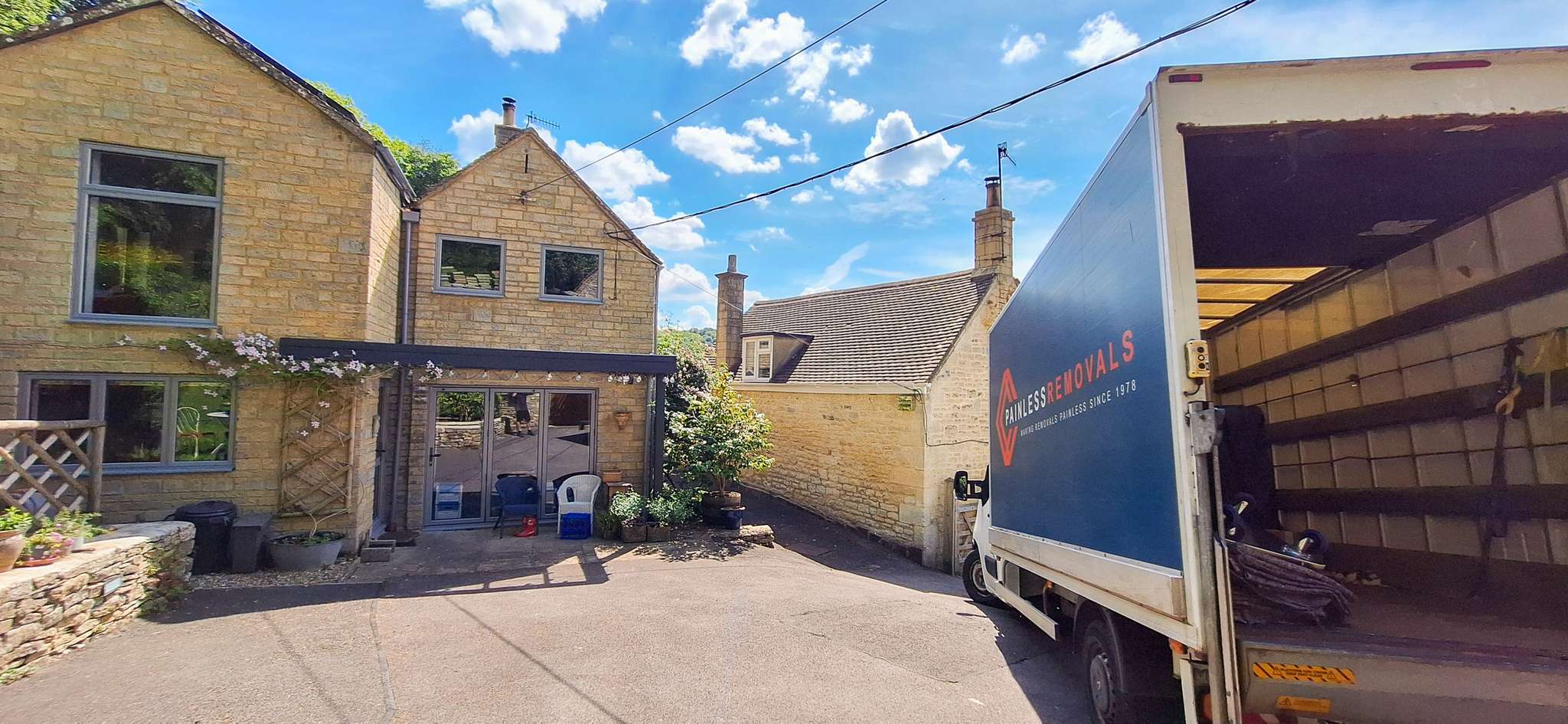
The Cotswolds doesn't lend itself to generalisations. We've moved people into large country houses, converted barns, farmhouses, and terraced stone cottages. The access situation varies as much as the properties themselves — some are completely uncomplicated, others need careful planning. We survey every Cotswolds property before committing to a plan, because the challenges here — low lintels, single-track lanes, unmade drives through farmland gates — don't show up on Google Street View.
What Makes Moving in the Cotswolds Different?
Access Is Non-Negotiable
One Cotswolds move stays with us. An old farmhouse on a hillside — parking 100 metres down at the bottom, a narrow road through a tight gate into a small courtyard. Turning the van around took about 40 moves back and forth. There was a low balcony from the adjacent property at exactly the wrong height, and the landlady watching from her window throughout. The load went smoothly. Getting out was the test: van at a 30-degree angle to the gate, reversing on a slope, with Fidel guiding from outside. We came through with about two millimetres to spare on either side.
That move worked because the survey told us the van had gone in through the gate — so we knew it could come back out. Without that survey, the same move would have meant a 100-metre carry uphill. The survey is what turns a difficult access into a manageable plan.
Period Properties and Their Quirks
Cotswold stone properties are often Grade II listed — some with doorways from the 1650s that weren't designed for modern furniture. Low beams mean tall items sometimes need dismantling. Stone floors and steps need protection — we lay heavy-duty floor runners to prevent scratching. Gravel drives and uneven paths need stable footing for the crew. None of this is unusual for us, but it's the kind of thing a less experienced outfit might not anticipate.
Converted barns are their own category. Vast open-plan spaces where furniture was sometimes built in situ — we've had to carefully extract pieces that were assembled inside the room because they wouldn't fit through the door whole. Always worth a conversation before moving day.
The Towns We Cover
Tetbury (GL8) is the largest town in our Cotswolds coverage — 30 miles from our depot, about 50 minutes via the M4 and A46. The town centre is a conservation area with listed buildings dating to the 16th century, but residential streets around Hampton Street have more modern homes with good access.
Horsley and Nailsworth (GL6) sit in the Stroud valleys where steep hillsides and winding lanes define the landscape. Properties range from converted mills to hillside cottages with stunning views but challenging access. Some addresses are only reachable via single-track lanes.
Dursley (GL11) is a market town at the western edge, overlooking the Severn Vale — more accessible than the deeper Cotswold villages, with wider roads. About 25 miles from our depot via the M5 and A38.
★★★★★“Used Painless Removals for our move from Bristol to Stroud. Pete and Maya were absolutely brilliant — methodical and efficient. The customer service throughout was top notch.”
Moving from the Cotswolds?
Free quote in about two minutes. We'll assess your lane access and property during the survey.
Get Your Cotswolds Quote →Why People Move to the Cotswolds
Bristol families relocating to the Cotswolds is one of our most common routes. People want the stone villages, the countryside, the space — and the M4 keeps Bristol commutable. We've also had teams push branches up with a broom so a van could pass underneath on a lane approach. That's Cotswolds removals in a nutshell: beautiful setting, practical challenges.
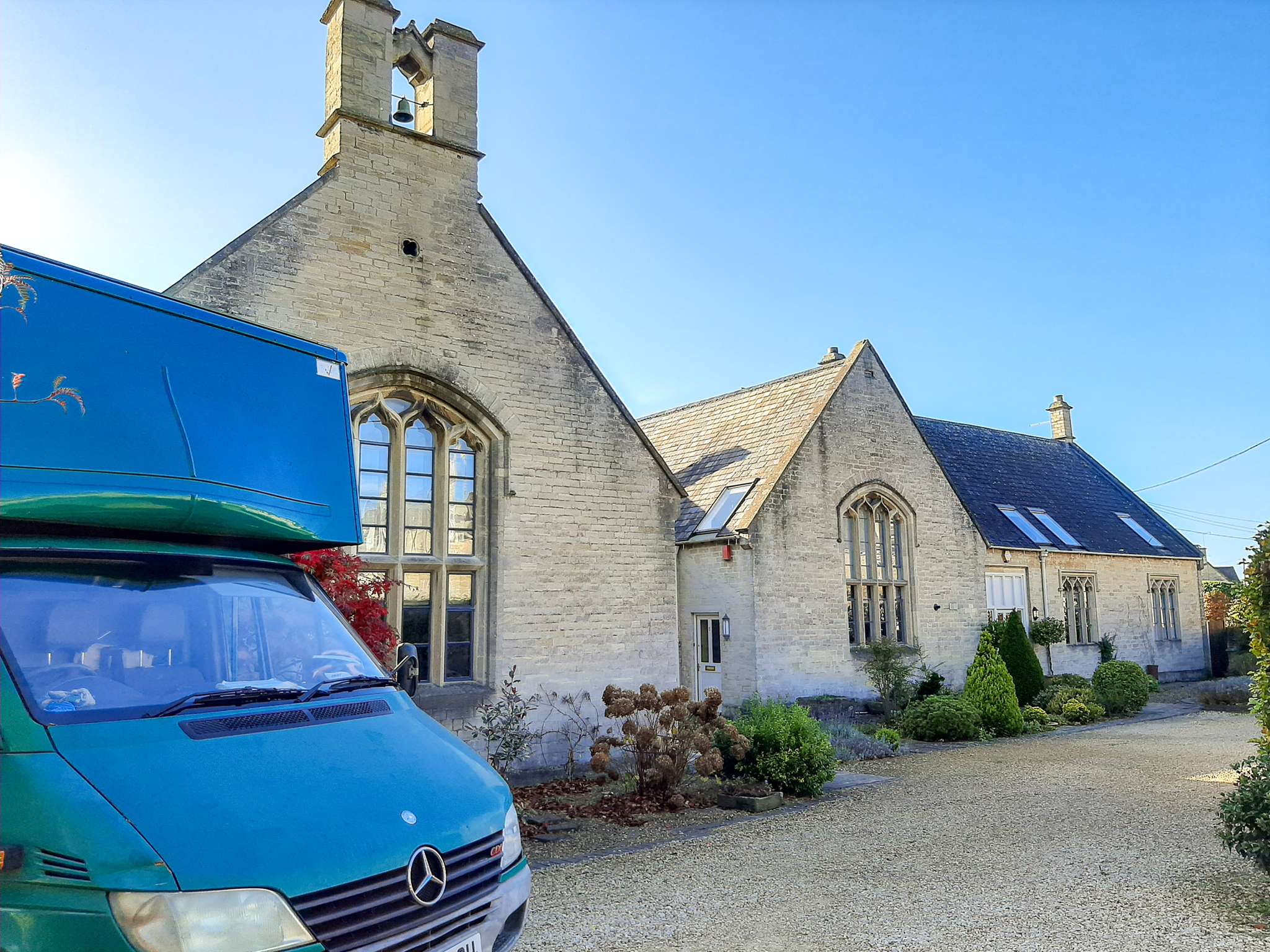
"Getting a van in and getting it back out are two different challenges. The angle changes, the ground behaves differently when you're loaded, and a tight gate that seemed manageable on the way in can look very different on the way out. The survey is what makes that difference predictable." — Jay Newton, Director
Insurance matters here. Cotswolds contents tend to be high-value — antiques, artwork, period furniture. Painless Removals carries £15,000 per Luton van; items over £2,000 should be declared separately. We also recommend the Key Wait Waiver for chain moves where completion timing is uncertain.
Is the Cotswolds Difficult to Move In?
The towns: generally no. The deeper villages: it can be. The combination of single-track lanes, listed building constraints, and rural access means every move needs a proper assessment. But we've done it many times and know which approaches work.
One practical consideration: approach road width, turning space, overhead clearance (trees, phone lines, barn roofs), and surface conditions. A farm track fine in August can be treacherous in February. Get in touch for a survey and a clear price.
Planning Your Cotswolds Move: A Quick Checklist
- Lane access? Check width, overhead clearance, and surface condition before the day.
- Listed building? Low doorways and narrow stairs may need furniture dismantled before carrying.
- Converted barn? Check whether large items were assembled inside — they may not fit through doors whole.
- High-value contents? Declare items over £2,000 separately for full insurance coverage.
- Seasonal conditions? Farm tracks and gravel drives are weather-dependent — plan accordingly.
Written by

Director
Personally overseen 2,000+ Bristol removals. Every area guide is based on real experience.
About Jay →