
 07565 772430






By Jay Newton, Director · Updated February 2026
Moving house is stressful enough for adults. Add children to the equation and the stakes change. Their bedroom is their world. Their school is their social life. The route they walk to their friend's house is burned into muscle memory. You're not just moving furniture — you're uprooting their entire sense of normal.
The good news: children are more resilient than we give them credit for. With the right preparation, honest conversations, and a plan that puts their needs alongside the logistics, most families come through a move stronger than before. This guide covers every age group, every stage of the move, and every practical tip we've learned from helping thousands of Bristol families.
Before the Move: Preparing Your Children
When and How to Break the News
Tell your children once the move is confirmed — not before. Uncertainty is harder for children to handle than change. Give them 4–6 weeks' notice. Be honest about why you're moving, what the new house looks like, and what stays the same (their school, their activities, their stuff).
Let them ask questions and expect to answer the same ones repeatedly. "Will I still see my friends?" will come up more than once. The answer needs to be specific: "Yes — we'll arrange playdates and you can video call anytime."
Exploring the New Home Together
If possible, visit the new house with your children before moving day. Let them see their bedroom. Walk the route to the nearest park. Find the local shop. The unknown is what frightens children — turn it into something familiar before the van arrives.
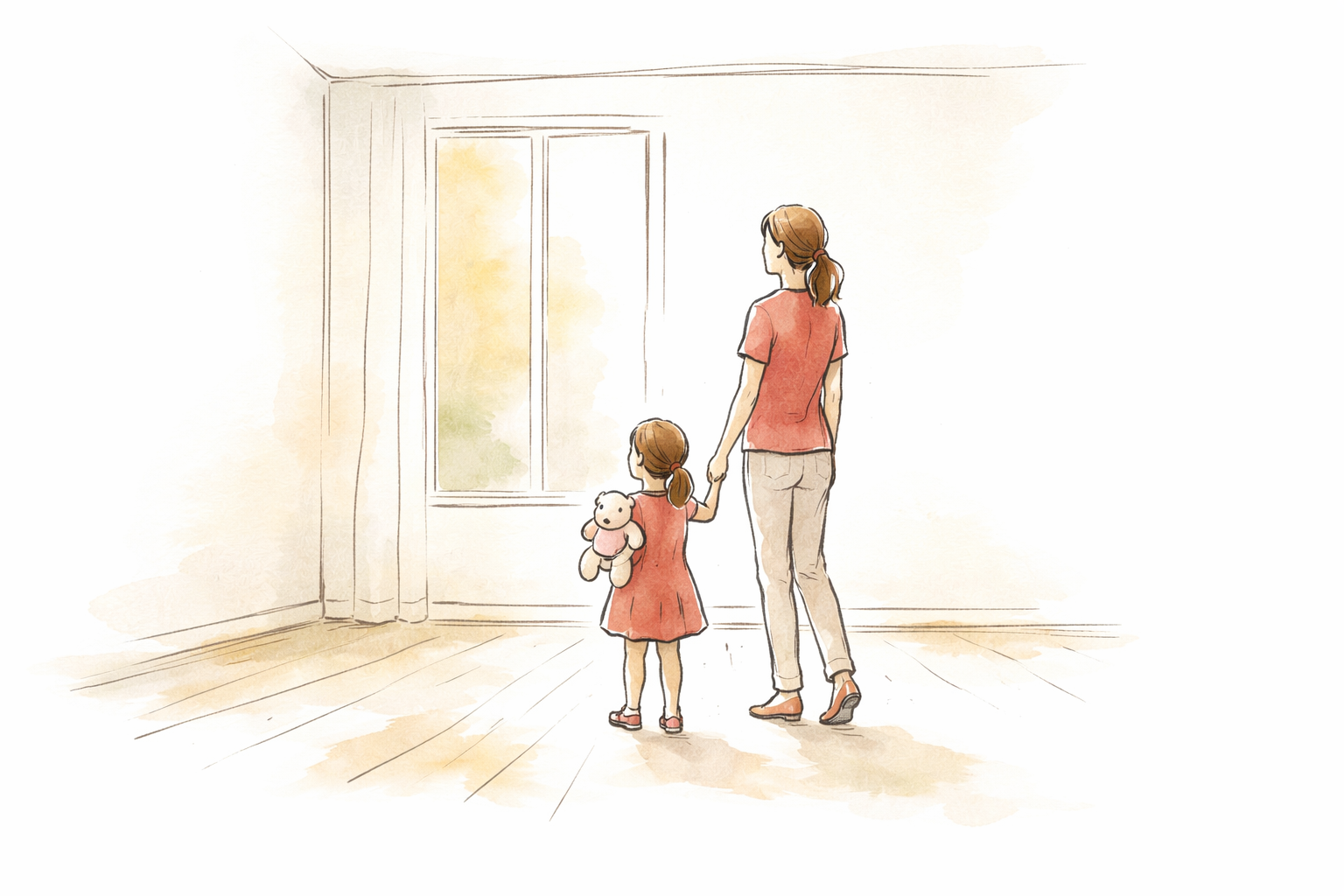
If visiting isn't possible, use Google Street View, photos, or even draw a floor plan together. Let older children choose their bedroom if there's a choice. Giving them ownership over even small decisions reduces the feeling that everything is being done to them.
Age-by-Age Guide
Babies (0–12 Months)
Babies won't understand the move, but they'll pick up on your stress. Disrupted routines — nap times, feeding schedules — will affect them more than the change of scenery. Keep their routine as close to normal as possible on moving day.
Pack their essentials last and unpack them first. The cot, the changing mat, the white noise machine — these need to be up and running in the new house before anything else.
Toddlers (2–4 Years)
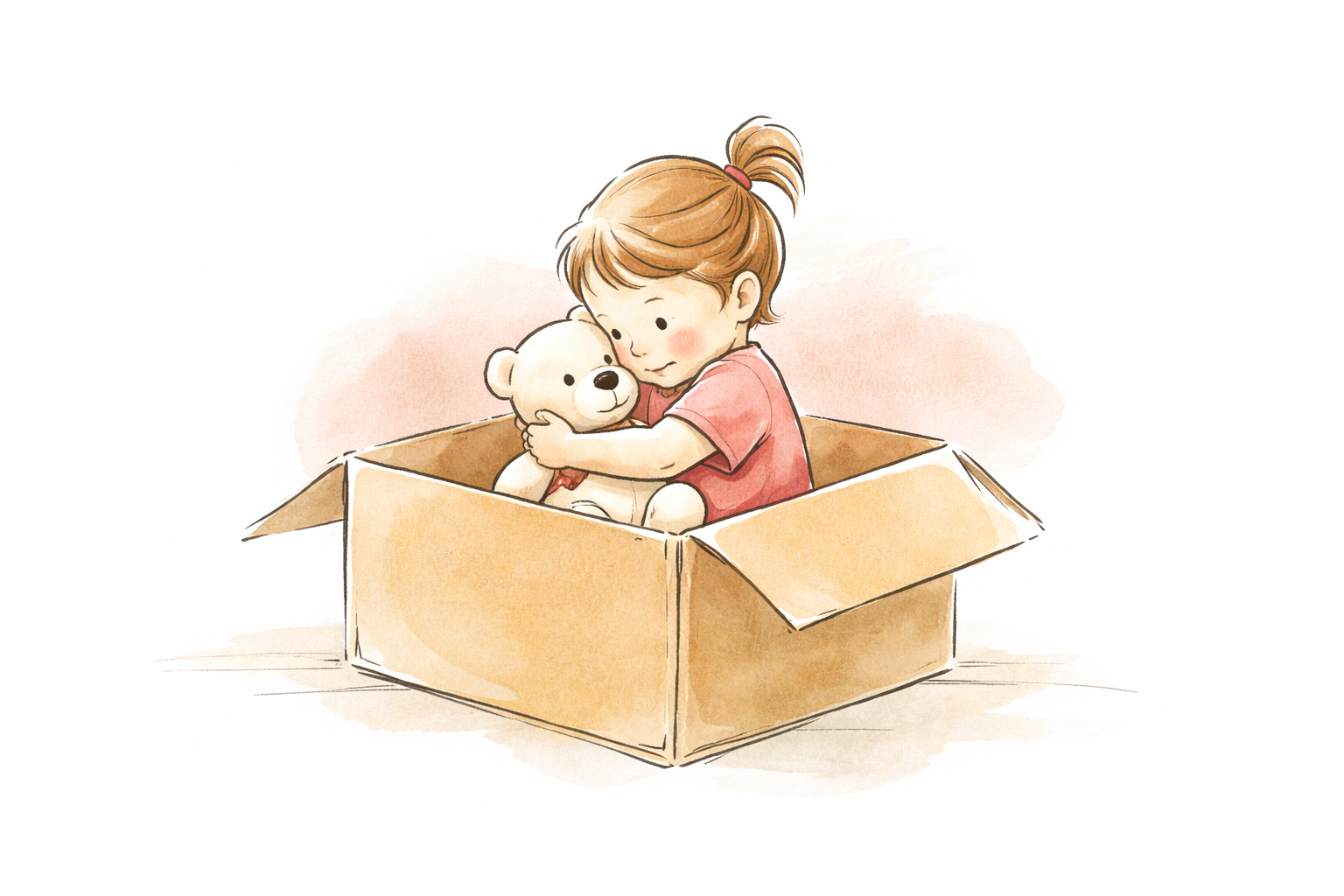
Toddlers understand enough to be confused but not enough to process what's happening. Use simple, concrete language: "We're going to live in a new house. Your toys are coming too." Read picture books about moving. Let them pack a small box of their own toys.
On moving day, toddlers and open front doors are a dangerous combination. Arrange childcare if at all possible. If they're in the house, one adult should be solely responsible for them — not someone also directing movers.
Pre-teens (8–12 Years)
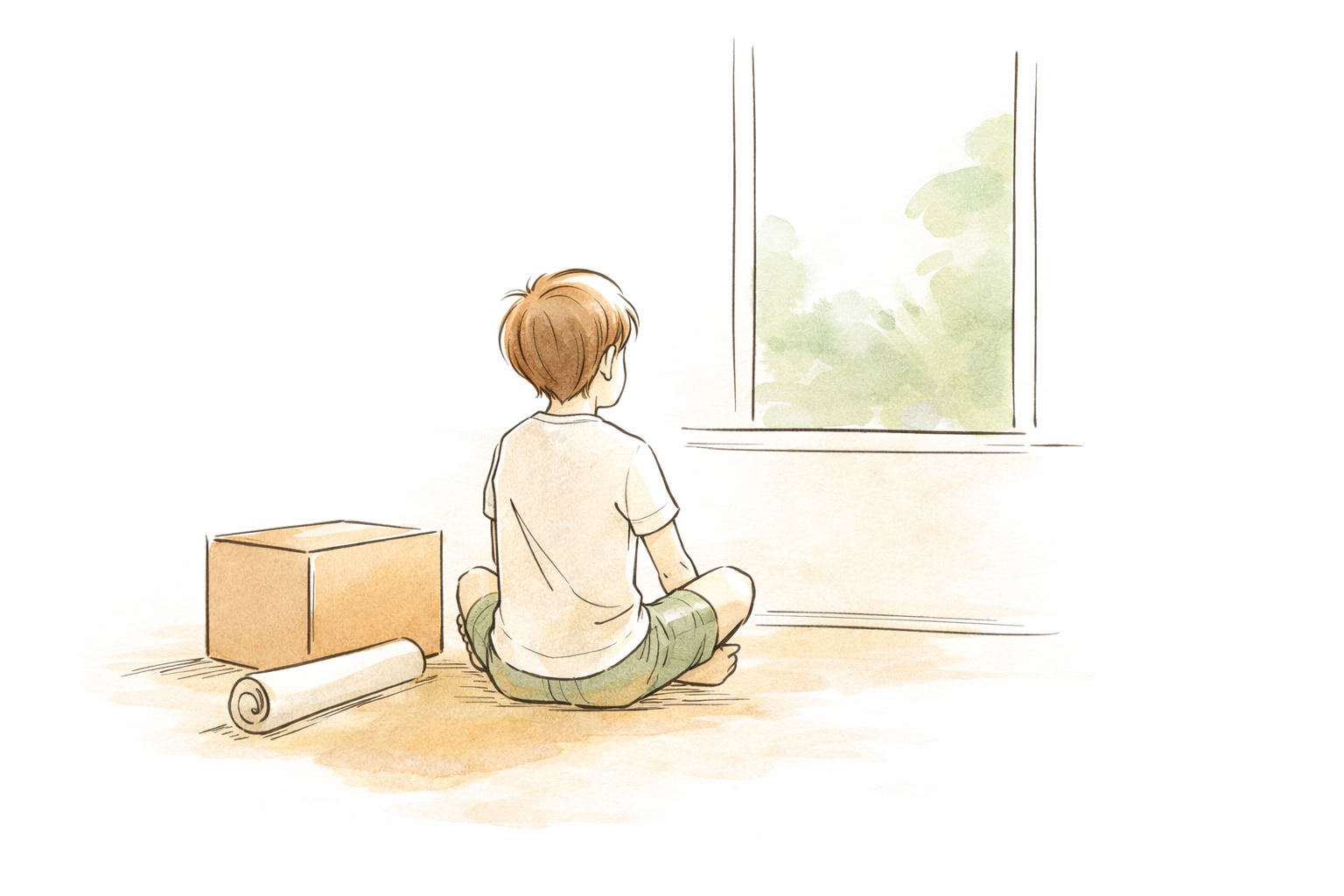
This age group feels things deeply but doesn't always articulate it. They're old enough to understand they're leaving friends but too young to drive back and visit independently. Expect pushback, tears, and occasional fury. All normal.
Involve them in decisions: choosing paint colours, arranging furniture, picking which takeaway to order on the first night. Give them responsibility. Let them pack their own room (with supervision). Their need for control is really a need for security.
Teenagers (13+)
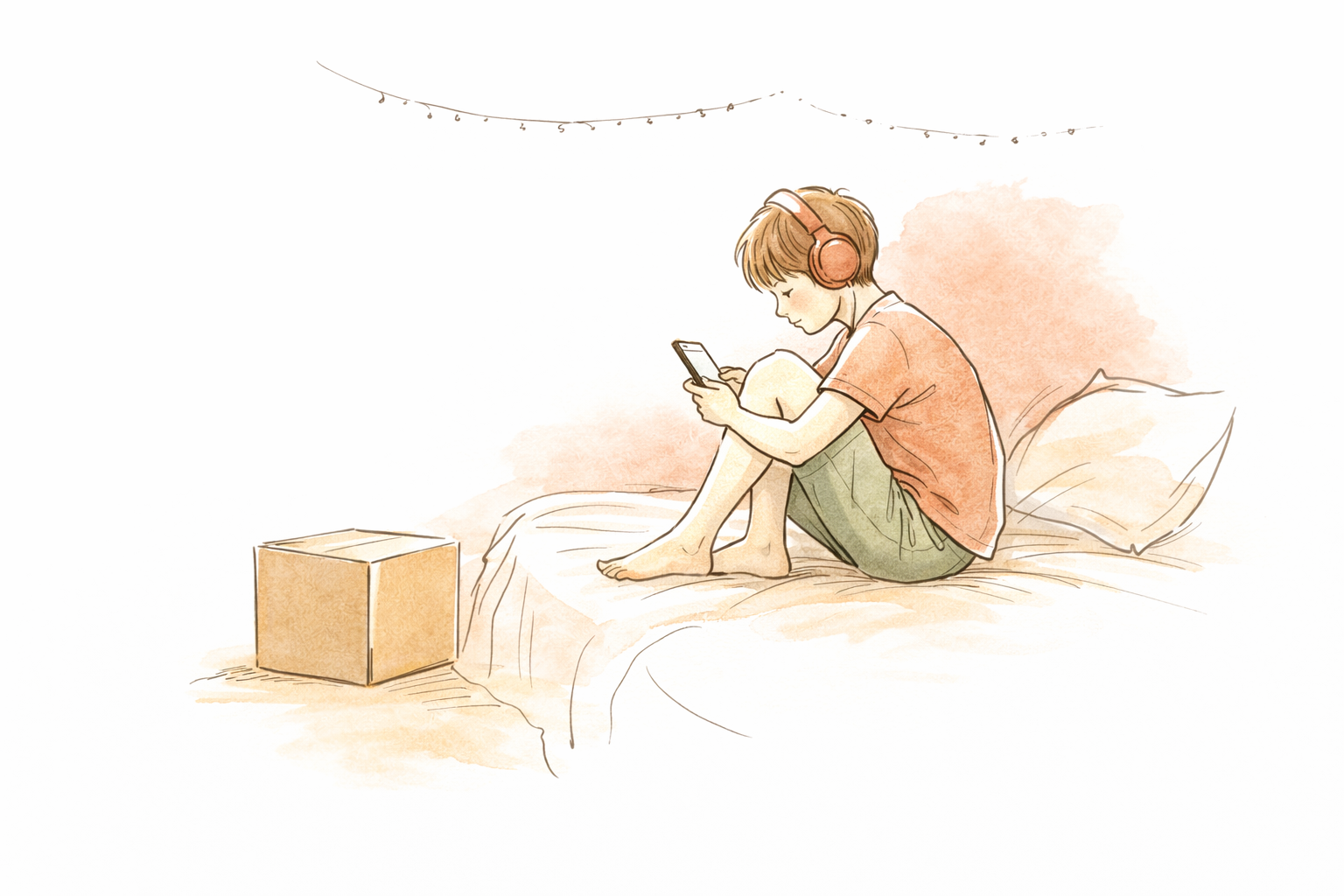
Teenagers have the hardest time. Their social world is everything, and you're asking them to leave it. If you're moving mid-school year, the impact is even greater. Be honest about why the move is happening and acknowledge that their feelings are valid — even when those feelings are expressed as door-slamming.
Give them maximum autonomy over their new space. Let them design their room. Ensure they have reliable Wi-Fi on day one — their connection to friends is digital now. Plan visits back to see old friends as soon as possible, so "goodbye" doesn't feel permanent.
Moving With the Family?
Free quote in about two minutes. We know how to work around children — safely and calmly.
Get Your Free Quote →The Children's Survival Box
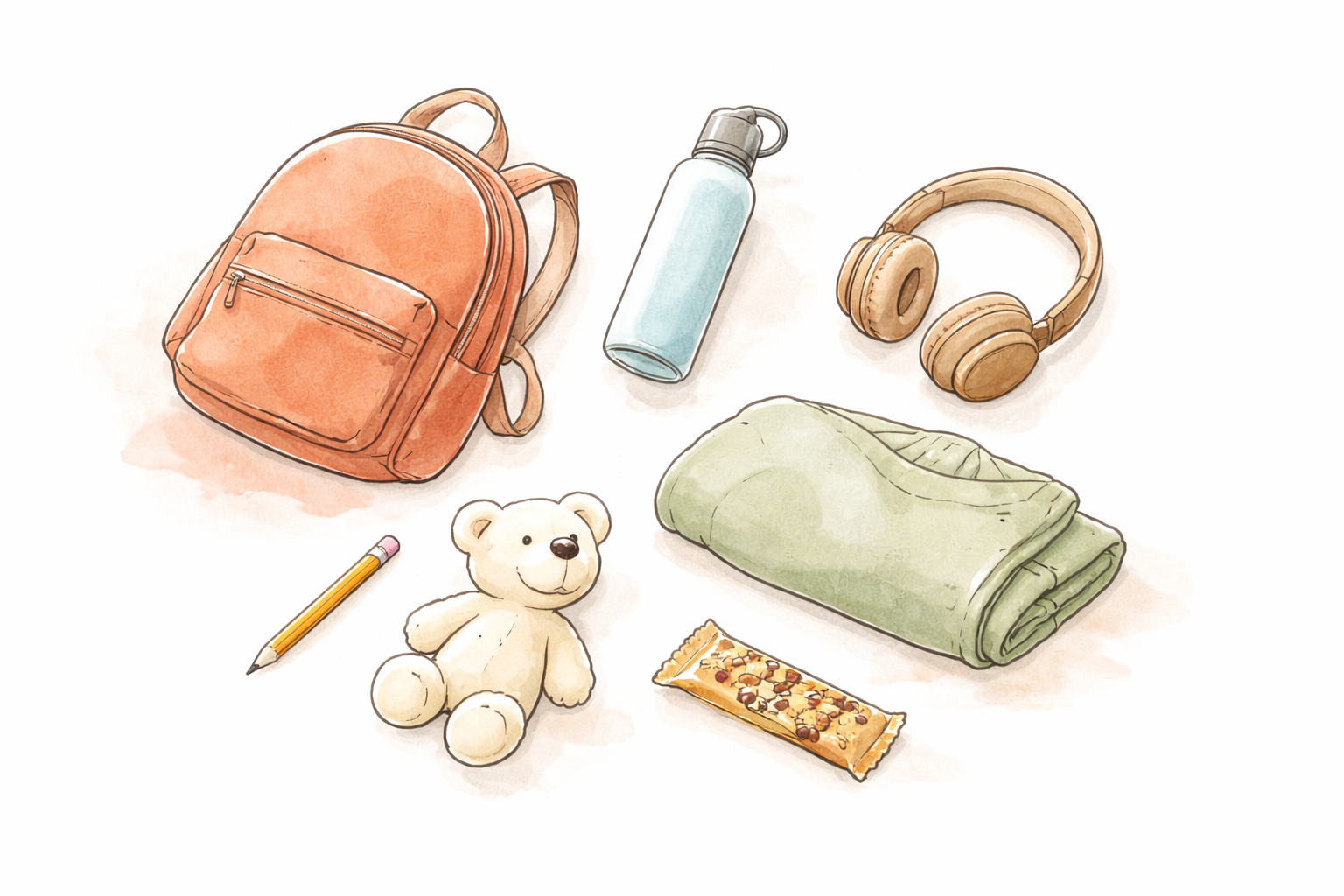
Every child should have their own clearly labelled box or bag that travels with you — not on the van. This is the box that gets opened first at the new house, while the movers are still unloading.
What to Pack
- Favourite toy, teddy, or comforter
- Snacks and drinks (familiar favourites, not new things)
- Change of clothes
- Tablet or colouring books and pencils
- Charger for devices
- Familiar blanket for nap or bedtime
- Any medication
- A few favourite books
- Nappies and wipes (if applicable)
"The survival box is the single best piece of advice I give parents. When you arrive at the new house exhausted and the kids are overwhelmed, pulling out their favourite toy and a familiar snack buys you the 20 minutes you need to get their bedroom set up." — Jay Newton, Director
On Moving Day
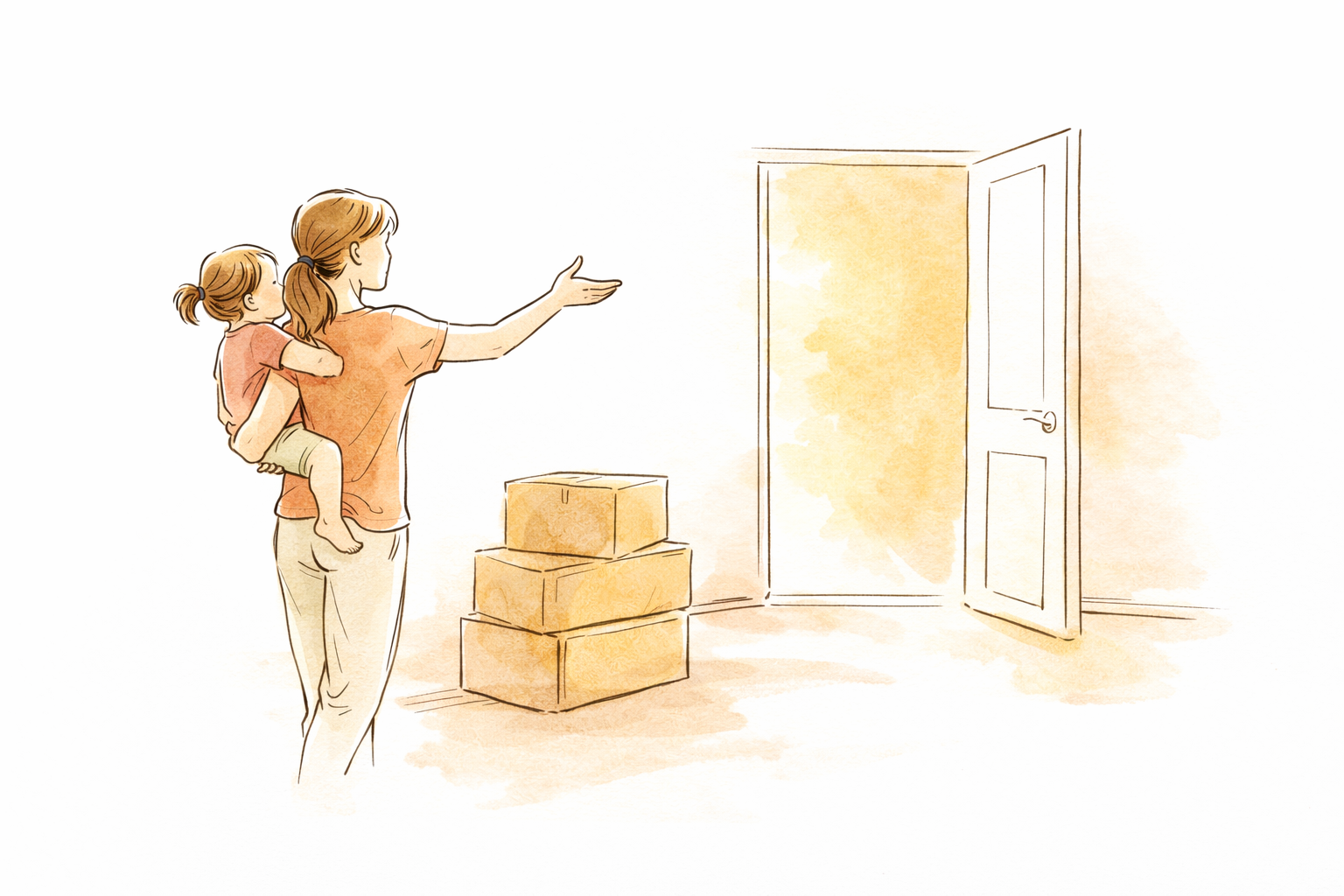
Moving day with children is a logistical challenge. The ideal scenario: children are looked after elsewhere while the house is packed and loaded. If that's not possible, one adult should be dedicated to childcare while the other manages the move.
Safety First
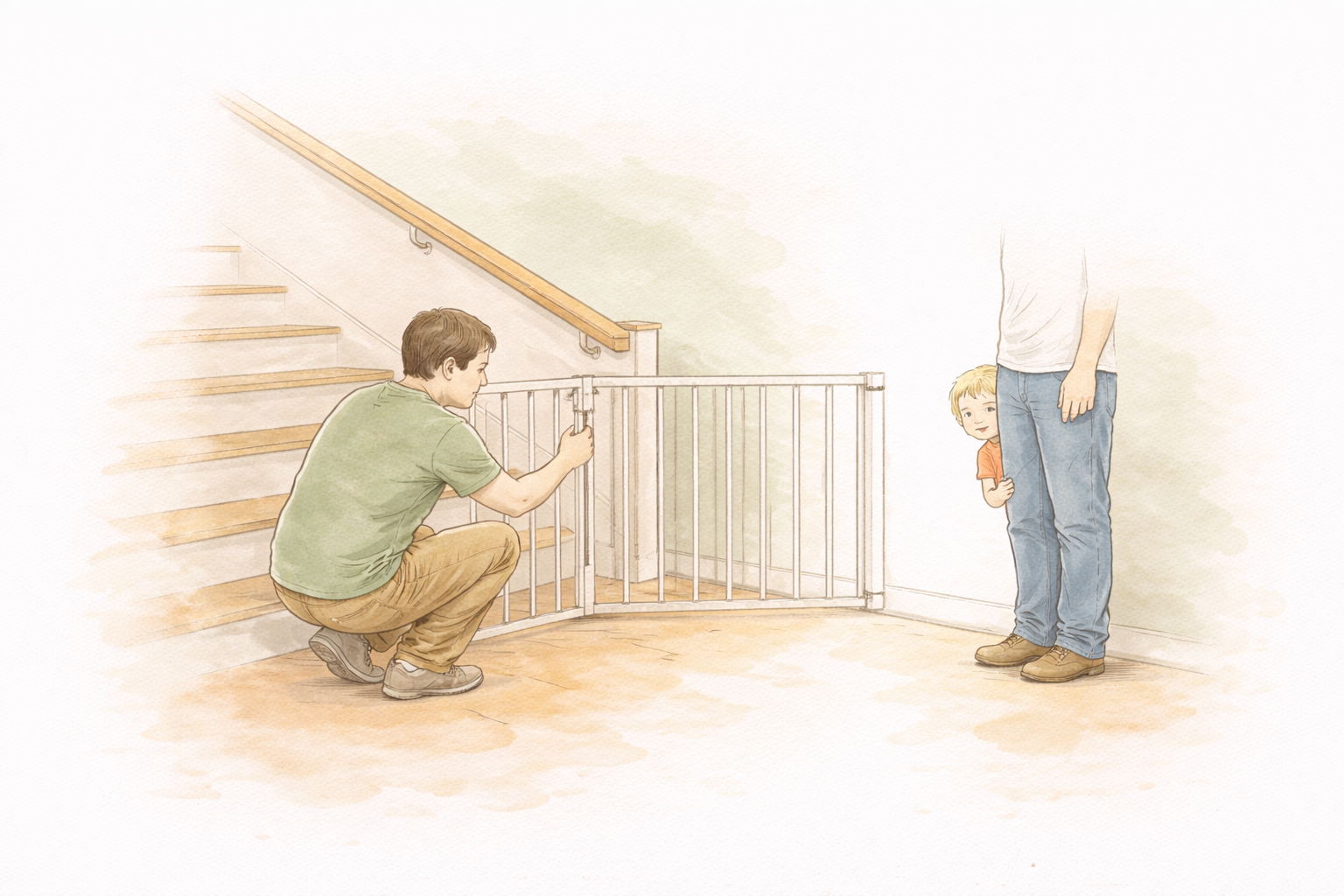
Front doors propped open. Heavy furniture being carried through hallways. Stairways being used constantly. Tools left on surfaces. Moving day is not a safe environment for small children. Our crews are careful, but we can't watch your children and your furniture at the same time.
Their Room Goes Last, Arrives First
Pack your children's bedrooms last so their space stays familiar as long as possible. At the new house, set up their room first. A made bed, familiar bedding, their favourite toys on the shelf — when the rest of the house is chaos, their room should feel like home already.
Packing With Children
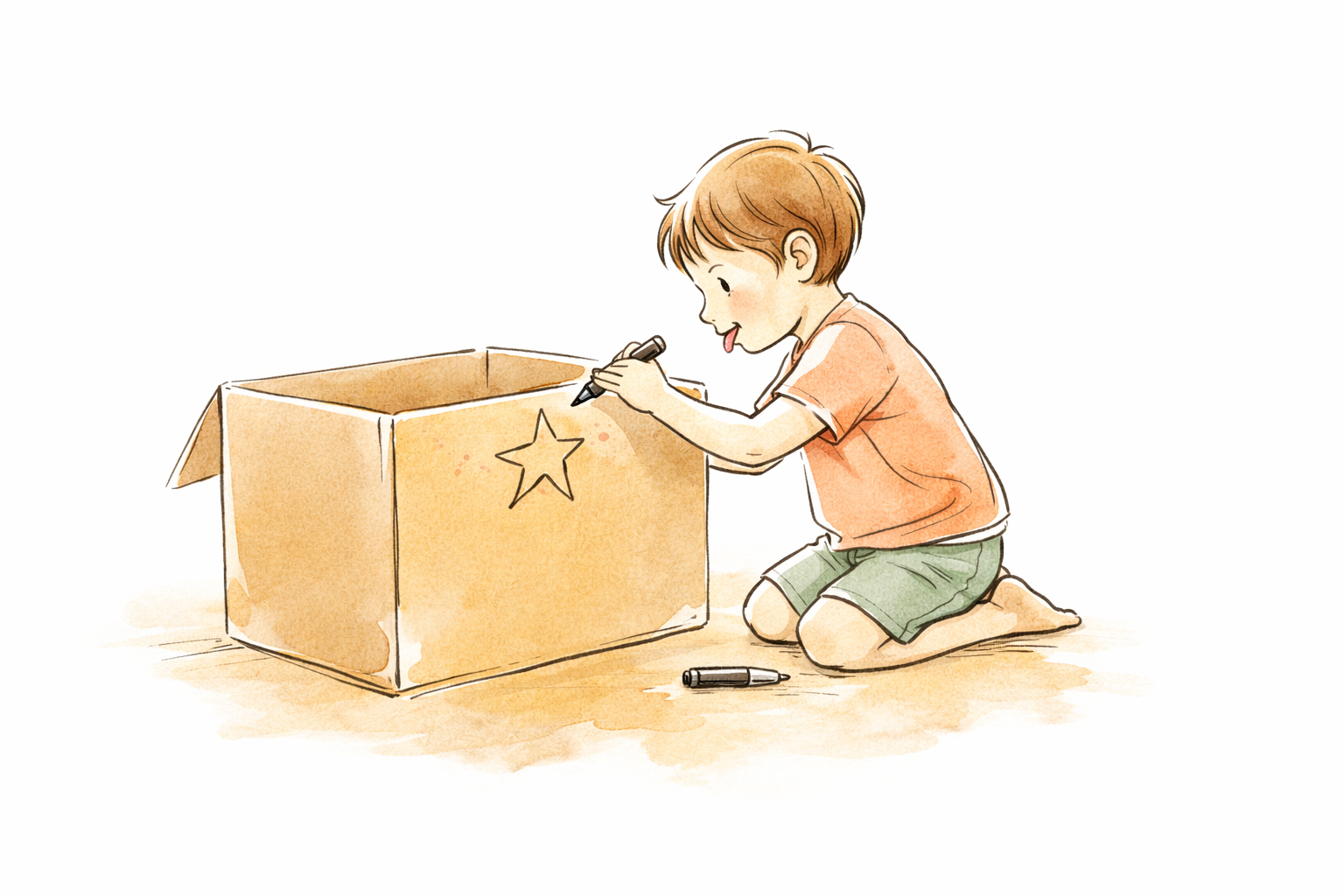
Let children help with packing — within reason. They can pack their own toys, books, and clothes. Give them labels and markers. Make it a project, not a punishment. Younger children can decorate boxes with stickers. Older children can create an inventory list.

Settling In at the New Home
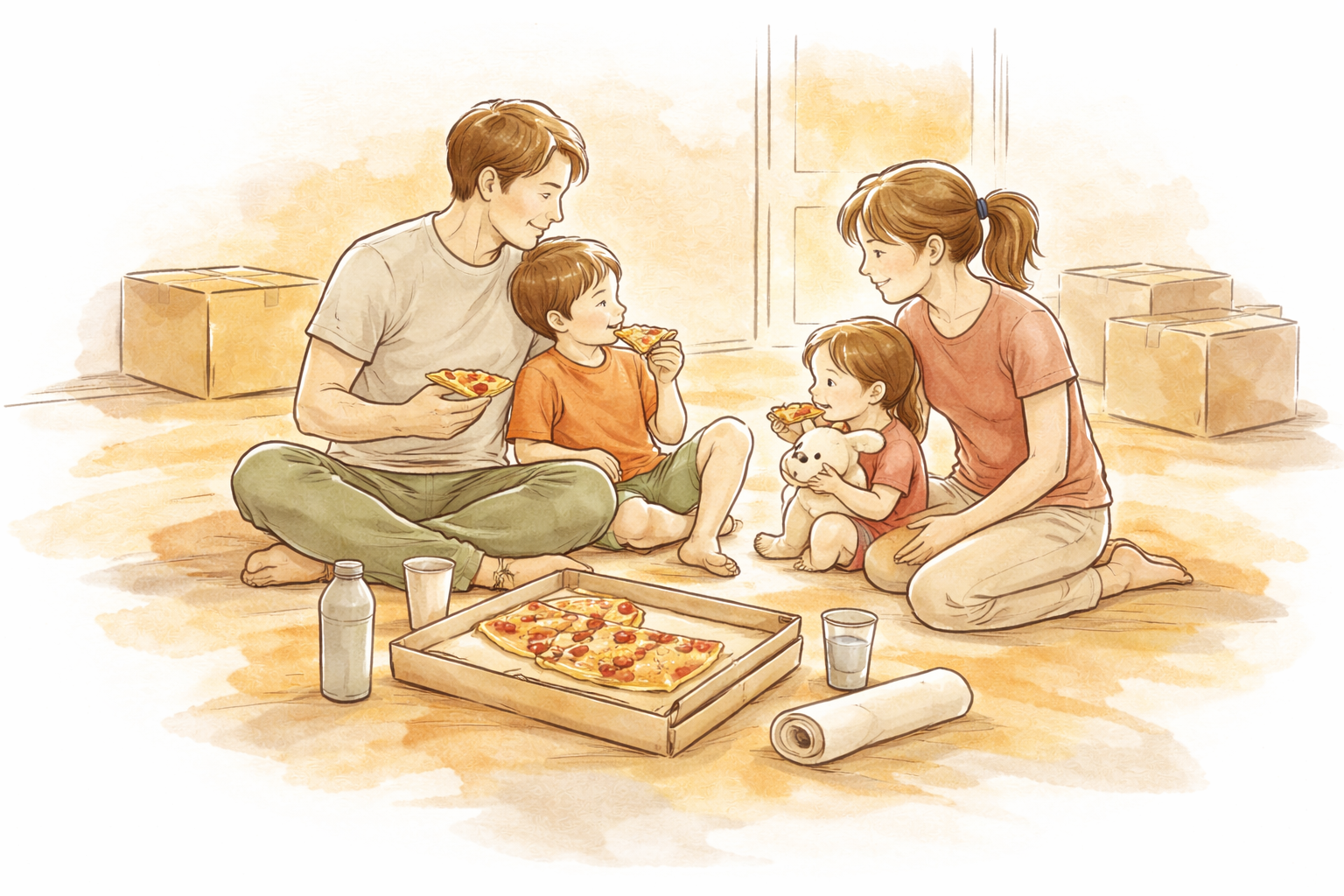
The first night matters. Even if the rest of the house is a bomb site, make bedtime as normal as possible. Same routine, same story, same blanket. Children draw security from predictability.
In the first week, explore the new neighbourhood together. Find the park, the shop, the library. Walk the school route. Let your children discover the positives at their own pace — don't force enthusiasm.
Expect regression in younger children — bedwetting, clinginess, sleep disruption. This is normal and temporary. Maintain boundaries and routines, but be patient. Most children adjust within 3–6 months.
Signs to Watch For
- Withdrawal — not wanting to talk about the move or the new house
- Sleep changes — difficulty falling asleep, nightmares, or early waking
- Behavioural changes — aggression, tantrums, or unusual quietness
- School refusal — particularly in the first few weeks
- Physical symptoms — stomach aches or headaches with no medical cause
Most of these resolve on their own. If symptoms persist beyond 3 months or worsen significantly, speak to your child's school or GP.